
Food & agriculture · Procurement guide
Am I Overpaying for Beef? 2026 Procurement Guide
Check a beef quote against the dated World Bank Pink Sheet reference, see which grades to specify and which costs to ask suppliers to itemise. A price above the reference is not proof of overcharging: grade, delivery terms and timing can explain a difference. This guide shows what to ask so the supplier can explain it.
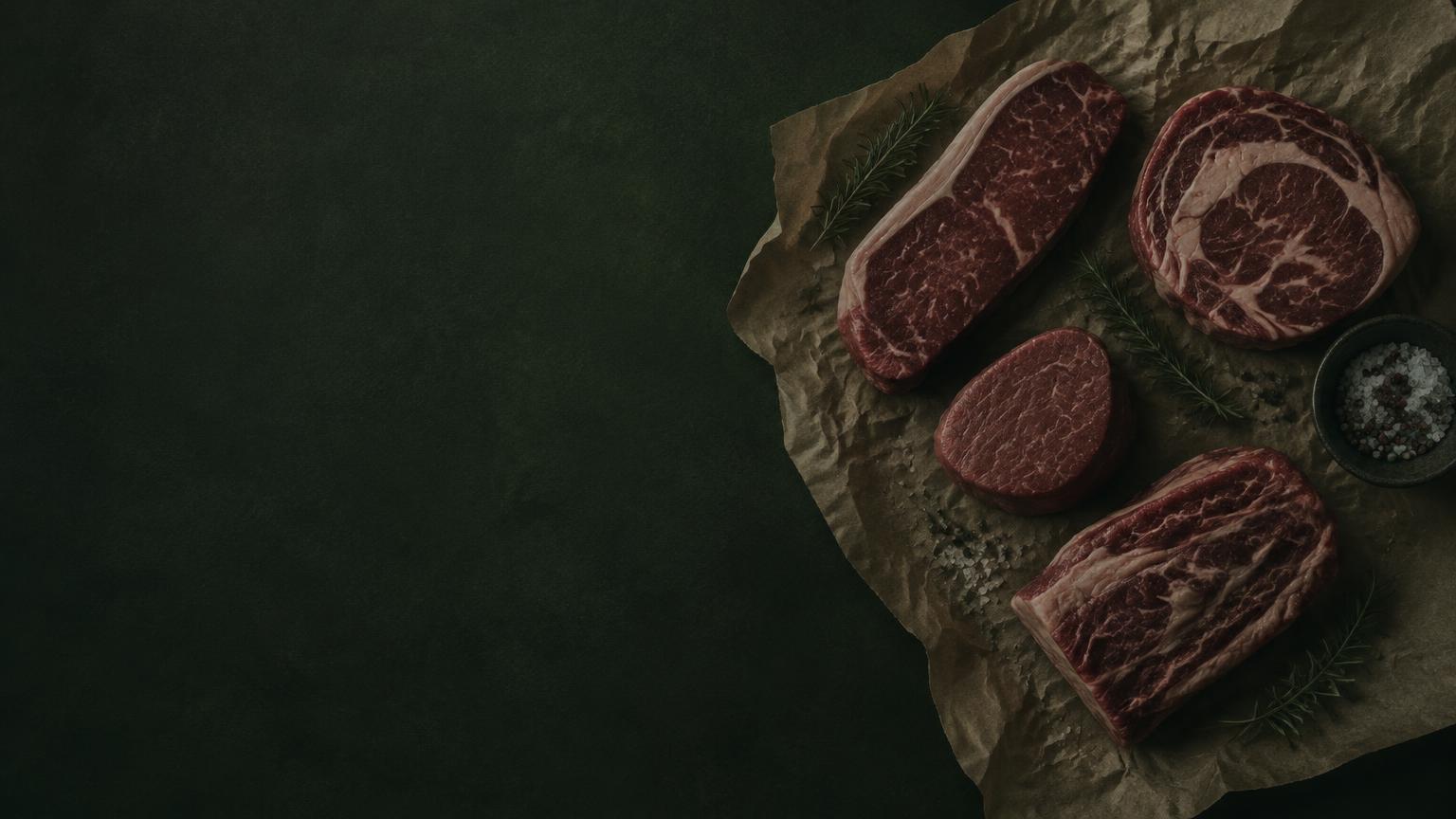
Product illustration
The benchmark checker
$6.83/kg
Wholesale reference · 2026-10 · via World Bank Pink Sheet · 3 November 2026 release
Dated reference, not a live price
How does your quote compare?
Historical reference differential, not a verdict on overcharging. Quality premiums, freight, taxes and financing are not adjusted.
Unbundling the markup
Where a beef quote can rise above the published reference. Only the first line is a published figure; ask the supplier to put a number on the rest.
- Base reference price
- $6.83/kg · 2026-10 · World Bank Pink Sheet · 3 November 2026 release
- Regional premium / basis
- Not published here — ask the supplier to state it. Imported manufacturing beef is usually quoted per kilogram for a stated lean grade and delivery term. Ask for the lean percentage, origin, Incoterm and each freight, storage and duty line separately.
- Difference to itemise
- Enter your quote in the checker above to see the amount the reference does not explain.
Where extra costs can hide
- Lower lean percentage than specified, so you pay lean-beef prices for extra fat
- Cold storage, refrigerated freight and insurance folded into a single delivered price
- Import duty or tariff-quota costs passed on without the calculation
- Halal, grass-fed or other claim premiums charged without a certificate
Benchmark alerts & specialty desk interest
Get alerts when this index moves
Don't check back manually. Track Beef price benchmark with your corporate email to be notified when the World Bank publishes a new reference period.
Free. No account or card required. Work email only.
Tools for agricultural buyers
Specification & compliance
Standard industry grades & quality specs for Beef
- Product: frozen manufacturing beef (trimmings) or named primal cuts
- Chemical-lean percentage (the reference is 90CL) and the test method
- Origin, processing plant and its export approval number
- Frozen or chilled, carton weight and shelf-life date
Reference basis used on this page
- Beef · New Zealand 90CL · CIF US: Beef (New Zealand), 90% chemical lean, c.i.f. U.S. imported (World Bank definition since January 2024); monthly nominal-USD average.
Essential import/export documentation
- Commercial invoice stating the product, grade, quantity, unit price, currency and Incoterm
- Packing list and weight list
- Bill of lading or other transport document
- Certificate of origin
- Phytosanitary certificate where the importing country requires one
- Veterinary health certificate issued by the exporting country's competent authority
- Export establishment approval number for the processing plant
- EU Deforestation Regulation due-diligence information where the regulation applies to your shipment
Requirements differ by country, product and contract. Confirm with your customs broker, bank or adviser.